15 Years of Video Editing, Then AI: What Changed as an AI Video Editor
What changed in my editing after 15 years and AI: I generate ten takes, keep one, let my AEM skill do routine cuts, and keep the final call.
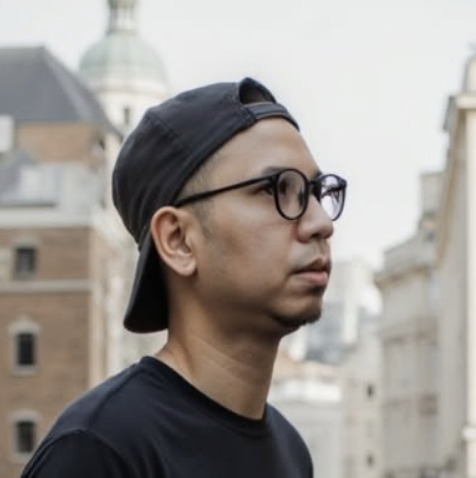
By Joel ‘Pex’ Reyes, AI Creative Strategist based in the Philippines
This is how video editing used to work for me. Footage came from a camera, mine or a client’s, and I cut it into something people would watch. This is how it works today. I generate a lot of the footage myself with AI, I throw most of it away, and an AI agent does a lot of the cutting.
I’ve edited video for about 15 years and freelanced since 2018. For the last few years, ads have been my bread and butter.
Quick answer: As an AI video editor, I spend less time on the timeline and more time choosing. AI made the footage cheap, so I generate far more than I need, keep about one take in ten, and let my editing skill handle the routine cuts. The judgment about what stays in the ad is still mine.
Brand owners and media buyers keep asking me the same thing. If an AI agent can edit a video now, what are they paying an editor for? I’ll answer that in section 6.
1. What is an AI video editor?
An AI video editor is an editor who uses AI to generate, assemble and finish video, and who still makes the cut decisions: which take stays, how long each shot runs, and what the viewer sees in the first second. The AI does more of the production. The editor still owns the result.
Film and TV editors already use it. In a survey of 120 American Cinema Editors members reported by Variety (Avid, which sells editing software, ran it with ACE), 77.5% said they use AI in their work. The top uses were transcription at 60% and audio cleanup at 55%. Only 7.5% wanted AI to help assemble shots or rough cuts.
Ad buyers use it too. The IAB’s 2026 video ad spend report says nearly two in three video ad buyers in its survey now use generative AI for video creative, up from half in 2025. Those buyers expect about a third of their video ads to use it this year, and 43% by 2027.
2. Before AI: what my editing work looked like
For most of my 15 years, editing meant working with footage that already existed. The clips came from my camera or from the client. My job was to find the story in them, cut for pace, add graphics, animation and sound, and deliver something people would watch to the end. Whatever was shot set the limits.
I started as a graphic designer, then bought a camera with my life savings. One client, Sarmad Memon, wrote in a LinkedIn recommendation that “Joel is a very skilled videographer.” For years that was the job. Shoot it or receive it, then cut it.
When a shot didn’t work, the fix had to come from the edit, because the clips on the drive were all I had.
3. What changed: I make ten and delete nine
The biggest change is that I now generate a lot of the footage myself. I turn a script into shots, generate AI images, animate them into video, add an AI voiceover, and use a HeyGen avatar when a talking face fits. Generating is cheap, so I make many takes of every shot and keep the best one.
I wrote it this way in June:
“Try making ten and deleting nine. That’s the whole difference.” (Joel ‘Pex’ Reyes, LinkedIn, Jun 24, 2026)
I call it the 10:1 Ratio. Make ten, delete nine.
Overgenerating is like a photographer shooting a whole burst for one cover shot, because the keeper only shows up when there are options to choose from.
The catch is cost. Every extra take burns credits. A wasted generation costs money, and a weak take that makes it into the ad costs more.
4. What changed: the timeline work moved into a skill
The second change is where the cutting happens. I packed my editing process into the AI Editing Machine (AEM), a skill that runs inside an AI agent like Claude Code, Codex or Grok Build. It handles cuts, motion graphics, captions and sound, then shows me drafts before anything is final. My hands spend less time on the timeline.
The skill holds fifteen years of editing judgment, mostly from ads. I stress-tested it by editing real videos from start to finish as if I were a first-time buyer, and I fixed every snag I hit.
I don’t have clean before-and-after timings to share yet, so I won’t guess at them. The agent does the routine cutting now, and I approve every draft. Nothing goes to final without my yes.
5. What didn’t change: the script, the taste and the tells
Three things stayed exactly as they were. A weak script still makes a weak video, no matter how well it’s cut. Taste still decides which take is good. And footage still has tells a trained eye has to catch. AI added new ones, like warped hands, a face that drifts between shots and a product label that changes.
On the script, my AEM page says it plainly. A strong script with a clear hook, clear points and a clear ending gets a great edit. A weak script gets a well-edited weak video.
On taste, other creatives say the same. Envato’s November 2026 survey of 1,033 creative professionals (Envato sells stock and AI tools, and every respondent is a subscriber) ranked taste and judgment as the top driver of quality at 53%. Prompt skill came last of eight, at 19%. Editing was the stage they kept the tightest grip on, with only 15% hands-off.
The same survey named visual consistency as the hardest thing to get from AI, at 56%. That’s an editing problem. One shot with a different face or a different label breaks the ad, and the edit is the last place to catch it.
6. Do you still need a video editor if AI can edit?
For a simple video, maybe not. For an ad that has to sell, yes. An agent edits from an average idea of editing, so the output comes out average. An editor brings a specific eye: which take to keep, where the hook lands, and what looks generated in a bad way. That eye is what you pay for.
The objection usually sounds like this. “Pex, I can upload my video to an agent and get cuts and captions in minutes. Why would I pay an editor?”
You can, and you’ll get the same plain cuts and basic captions everybody else gets. The agent did the cutting. Nobody did the choosing. With AI footage, choosing is most of the job, because nine of every ten takes should never reach the viewer.
I’ll admit one limit. If you already get pro-level edits out of your own agent, you don’t need me for that part. I say the same thing on my AEM page. The gap shows up in paid ads, where a weak first second or a drifting face costs real ad spend.
That answers the question from the top. You’re paying for the deleting. Make ten, delete nine, and know which nine.
7. How to hire a freelance AI video editor in the Philippines
Look for an editor who can show finished ads, explain why each cut is there, and tell you plainly which parts are AI. Ask how many takes they make per shot and how they pick the keeper. Check that they catch AI tells before you do. Where they live matters less than how they judge footage.
I work from the Philippines with ecom and DTC brands abroad, and every file moves online. If you’re comparing freelance editors here or anywhere else, this is the checklist I’d use:
- Finished ads. Ask for ads that ran, with the brief they were made for.
- A selection habit. Ask how many takes they generate per shot and what they delete. “One and done” is a red flag.
- Script skill or a script partner. A great edit can’t fix a weak script. Know who owns it.
- Tell-spotting. Show them a flawed AI clip and see what they catch: hands, faces, labels, the first second.
- Honest AI disclosure. They should tell you what’s AI in every ad, so you can follow each platform’s rules.
- A repeatable process. A documented editing system, or a skill like AEM, keeps the quality steady from video to video.
| Part of the job | Before AI | Now |
|---|---|---|
| Footage | From my camera or the client, a fixed pile of clips | Much of it generated by me, ten takes per shot |
| Selection | Pick the best of what was shot | Delete nine of ten, the biggest part of the job |
| Cutting | By hand on the timeline | The agent runs my AEM process, I approve drafts |
| Quality control | Focus, audio, continuity | All of that plus AI tells and shot-to-shot consistency |
| Script and taste | Decided the result | Still decide the result |
This is the line between an AI video editor and an AI creative strategist. The editor decides what stays in the video. The strategist also decides which ad to make in the first place. I walk through that whole process for one ad in How I Make an AI Video Ad for a DTC Brand.
If you want my editing process inside your own agent, the AI Editing Machine is the skill I built for it. Install it, make ten, delete nine, and let it handle the cutting while you keep the final say.
FAQ
What does an AI video editor do?
An AI video editor generates or receives footage, uses AI tools to cut, caption, add graphics and sound, and decides what stays in the final video. With AI footage, the biggest part of the job is selection, which means making many takes and keeping the one that works.
How do I hire a freelance AI video editor?
Ask for finished ads with their briefs, ask how they choose between AI takes, and test whether they spot AI tells like warped hands or drifting faces. Make sure they disclose what’s AI. If you also need someone to decide which ads to make, see how to hire an AI creative strategist.
Will AI replace video editors?
AI already handles a lot of routine cutting, captioning and cleanup. In my work, it hasn’t replaced the choosing: which take to keep, where the hook lands, and what looks wrong.
About the author: Joel ‘Pex’ Reyes, AI Creative Strategist based in the Philippines. I’ve edited video for about 15 years, freelanced since 2018, and now make AI video and UGC ads for ecom and DTC brands. More about me on the About page.